Best Beginner Cigars | Mild, Smooth & Easy to Smoke
Discover the best cigars for beginners, including mild Connecticut blends, trusted brands, sizing tips, and expert advice for your first cigar.
Cigars for Beginners
Your first cigar should feel relaxed, not intimidating. This collection brings together cigars for beginners that lean mild to medium in body, draw evenly, and carry flavors that are easy to follow from the first light to the final third.
Every stick here comes from brands with a long record of consistent construction, because nothing turns a new smoker away faster than a tight draw or a burn that keeps needing a touch-up.
What Makes a Good Beginner Cigar
The best cigars for beginners are not the weakest ones on the shelf. They are the ones that stay balanced while your palate is still learning what it likes.
Four things separate genuinely good beginner cigars from the rest:
Body and strength: Mild and mild-to-medium blends give you flavor without a heavy nicotine load. The best mild cigars for beginners usually sit in this range, which is why almost every seasoned smoker started there.
Wrapper leaf: Connecticut Shade wrappers are the classic starting point. They read golden-tan in color and tend toward cream, cedar, almond, and light coffee notes. Maduro and Oscuro wrappers are richer and darker, and they are worth saving for later.
Construction: An easy cigar to smoke is one with an open draw and an even burn. Good construction is the single most underrated factor for a first cigar, and it is where budget bundles often fall short.
Price: There is no reason to spend heavily while you are still figuring out your preference. Plenty of good cheap cigars for beginners deliver clean flavor, and inexpensive cigars from established factories are often better made than boutique sticks at three times the price.
Types of Cigars for Beginners
Understanding the types of cigars for beginners makes the whole category easier to navigate.
Mild Connecticut and Shade-Grown Blends
These are the classic starter cigars. Smooth, creamy, and forgiving, with enough character to keep the session interesting. If you want the safest possible best first cigar, start here.
Infused and Sweet Blends
Aromatic and infused cigars are a popular entry point because the flavors are immediately recognizable. The best sweet cigars for beginners and the best flavored cigars for beginners work well if traditional tobacco notes feel unfamiliar at first. Our flavored cigars collection covers this side of the category in full.
Cigarillos and Small Formats
The best cigarillos for beginners and the best small cigars for beginners run 20 to 30 minutes instead of an hour and a half. Smaller ring gauges also mean less tobacco and a lighter overall session, which makes them a sensible good beginner cigar for a short break rather than a long evening.
Everyday Value Blends
Well-made bundle and value cigars give you room to try several styles at once. The best cheap cigars for beginners are typically long-filler blends from the same Nicaraguan and Dominican factories that produce far more expensive lines.
Best Cigar Brands for Beginners
The best cigar brands for beginners are the ones known for consistency across every box. These names appear in our beginner-friendly range:
- Macanudo is the reference point for mild Dominican blends and one of the most common first brands in the country.
- Ashton pairs aged Dominican tobaccos with Connecticut Shade wrappers for a soft, refined profile.
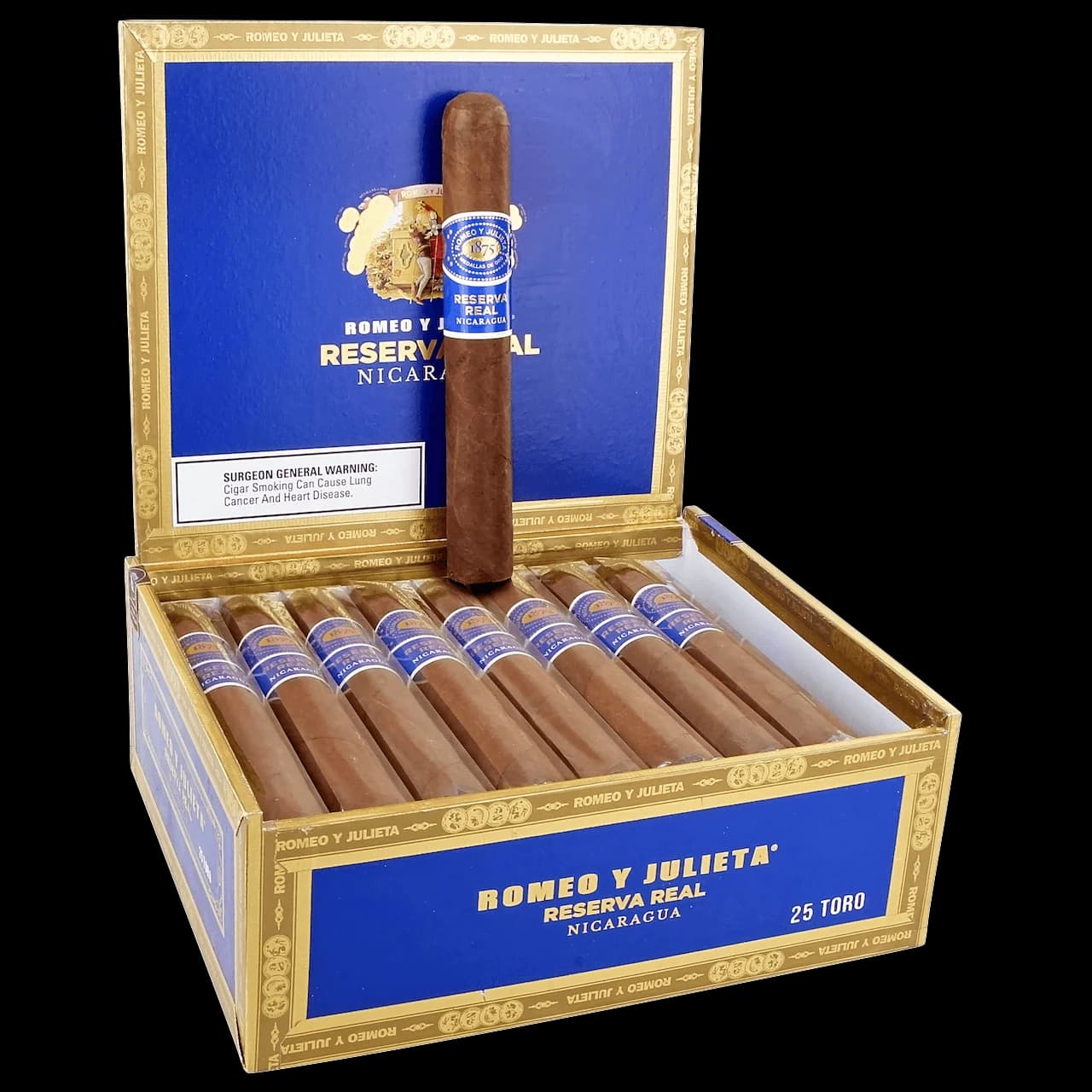
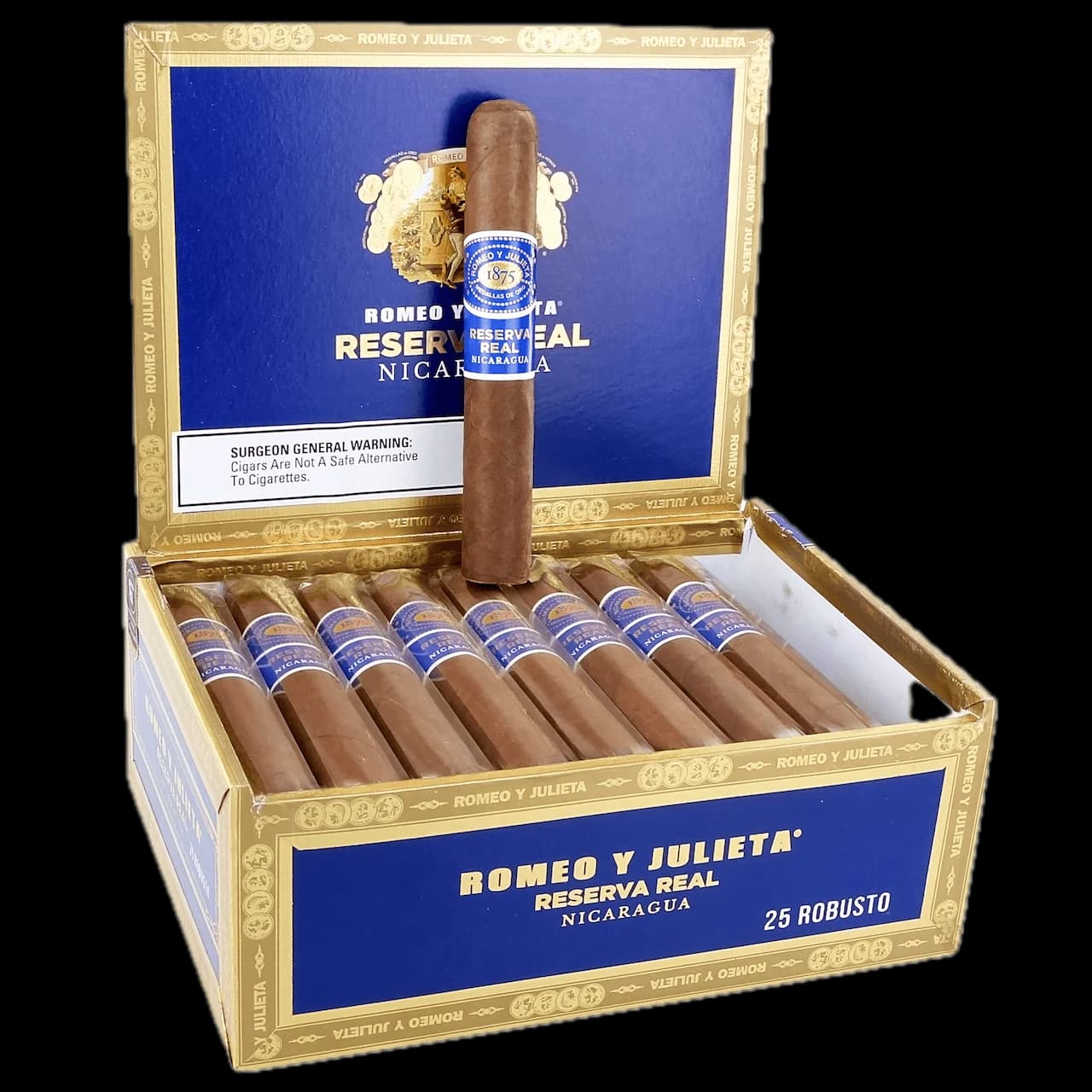
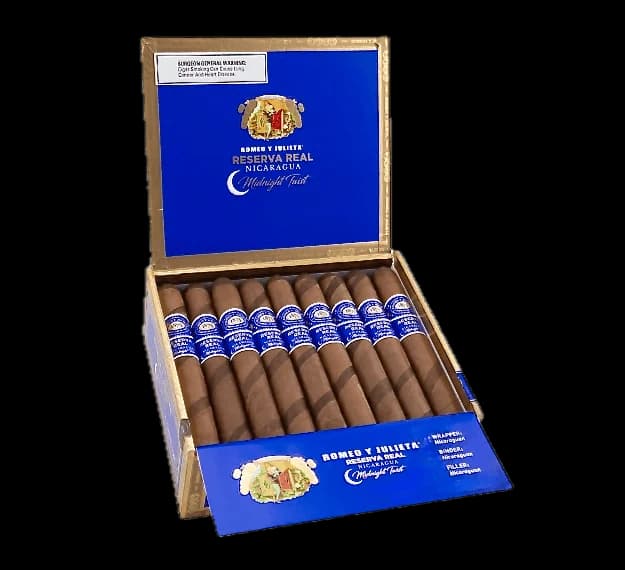
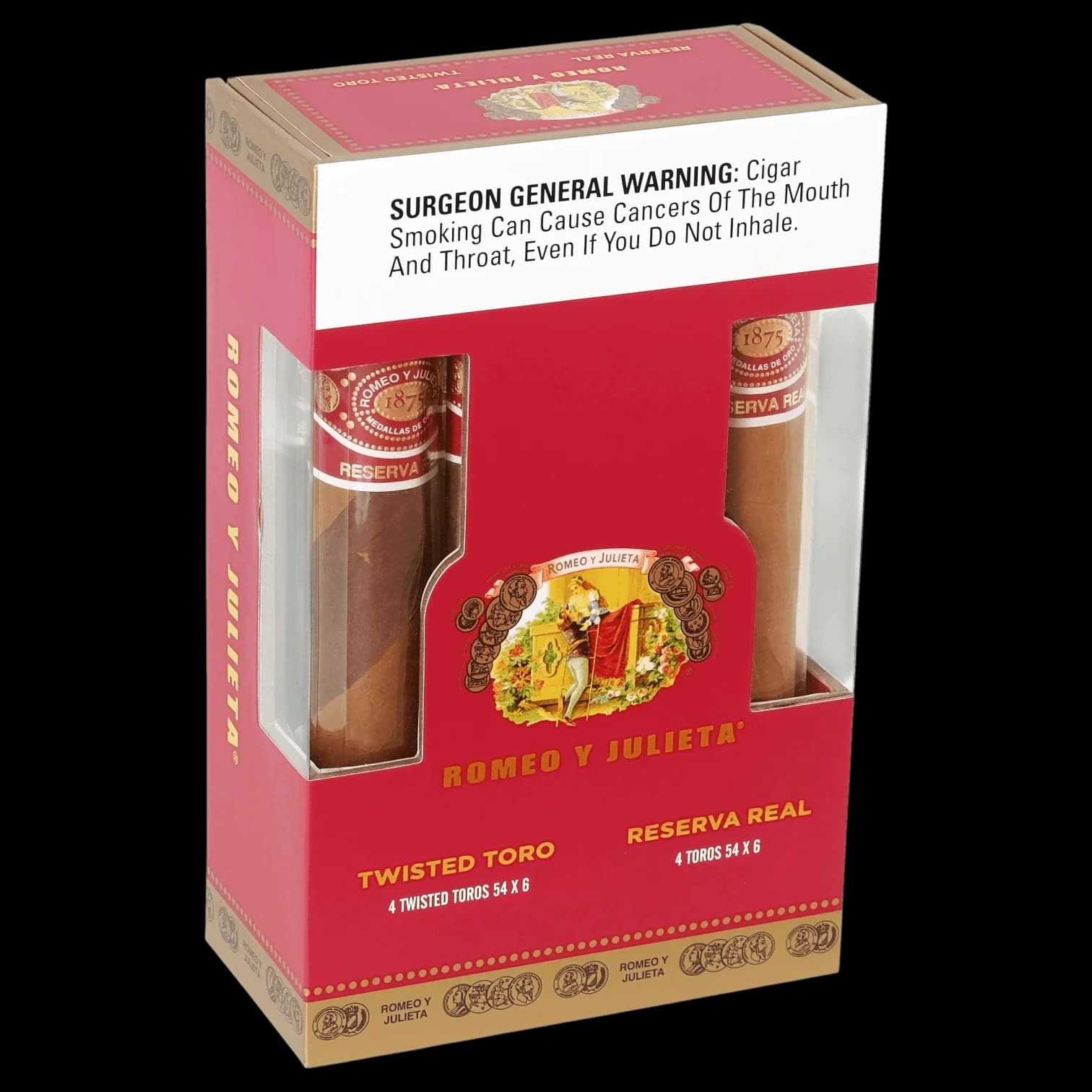
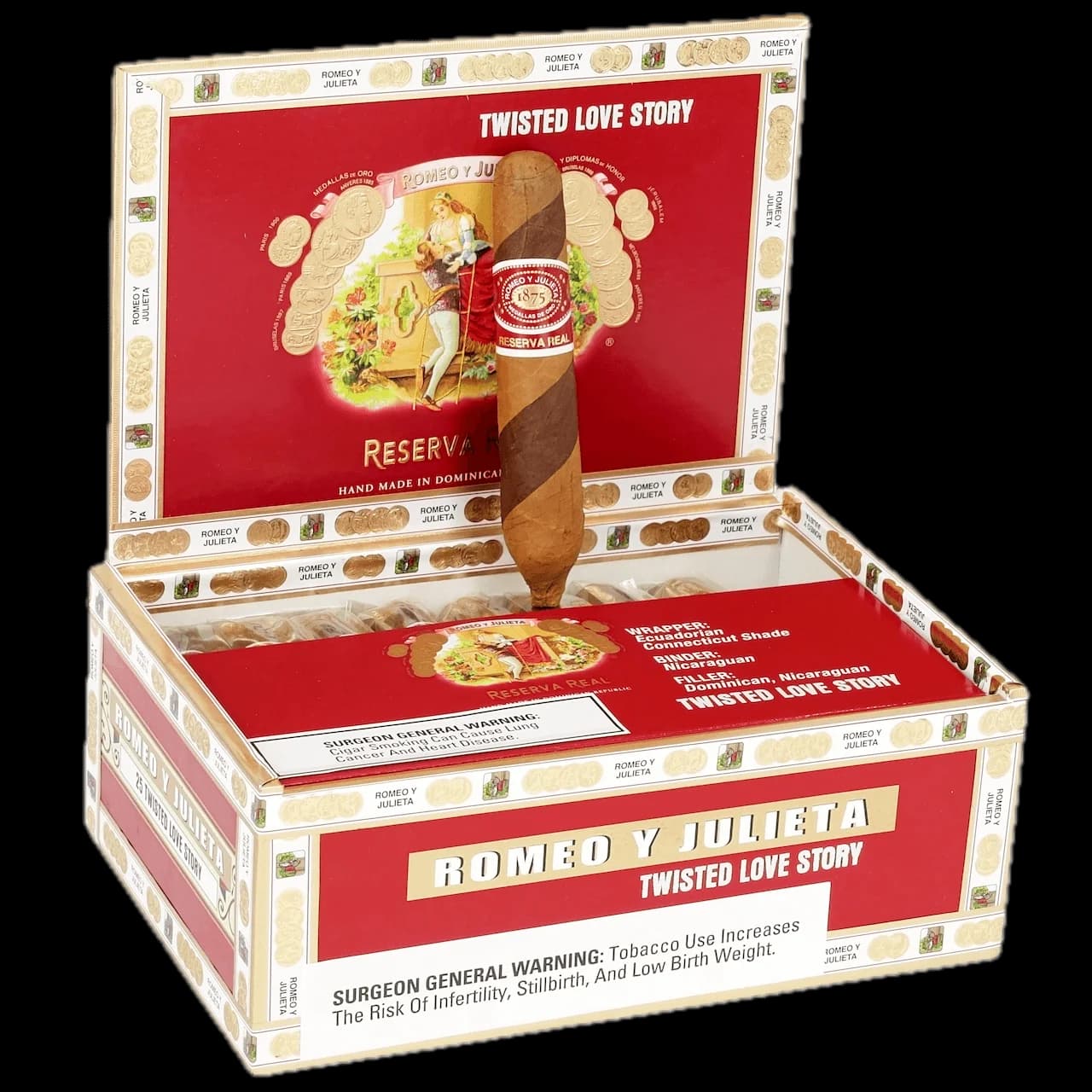
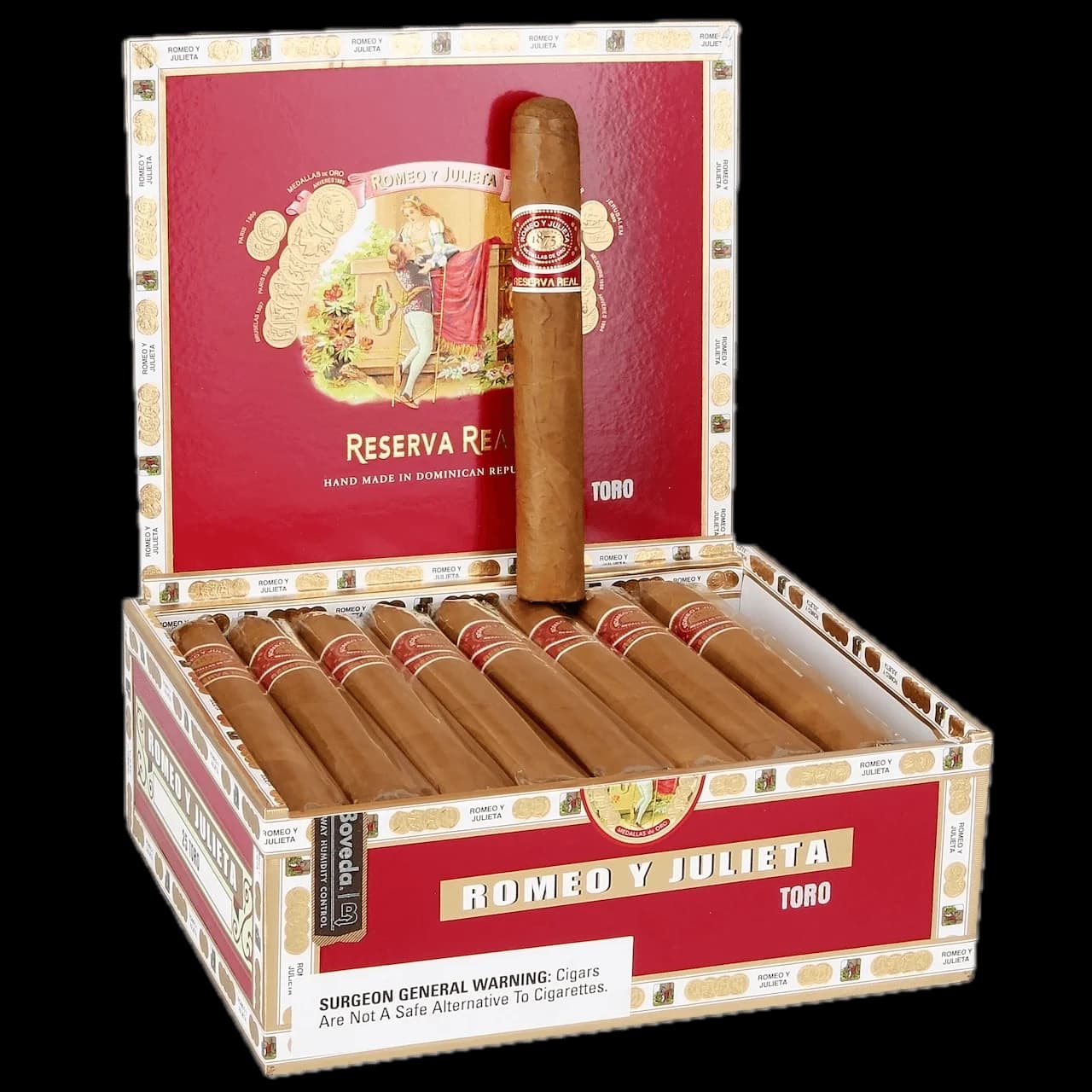
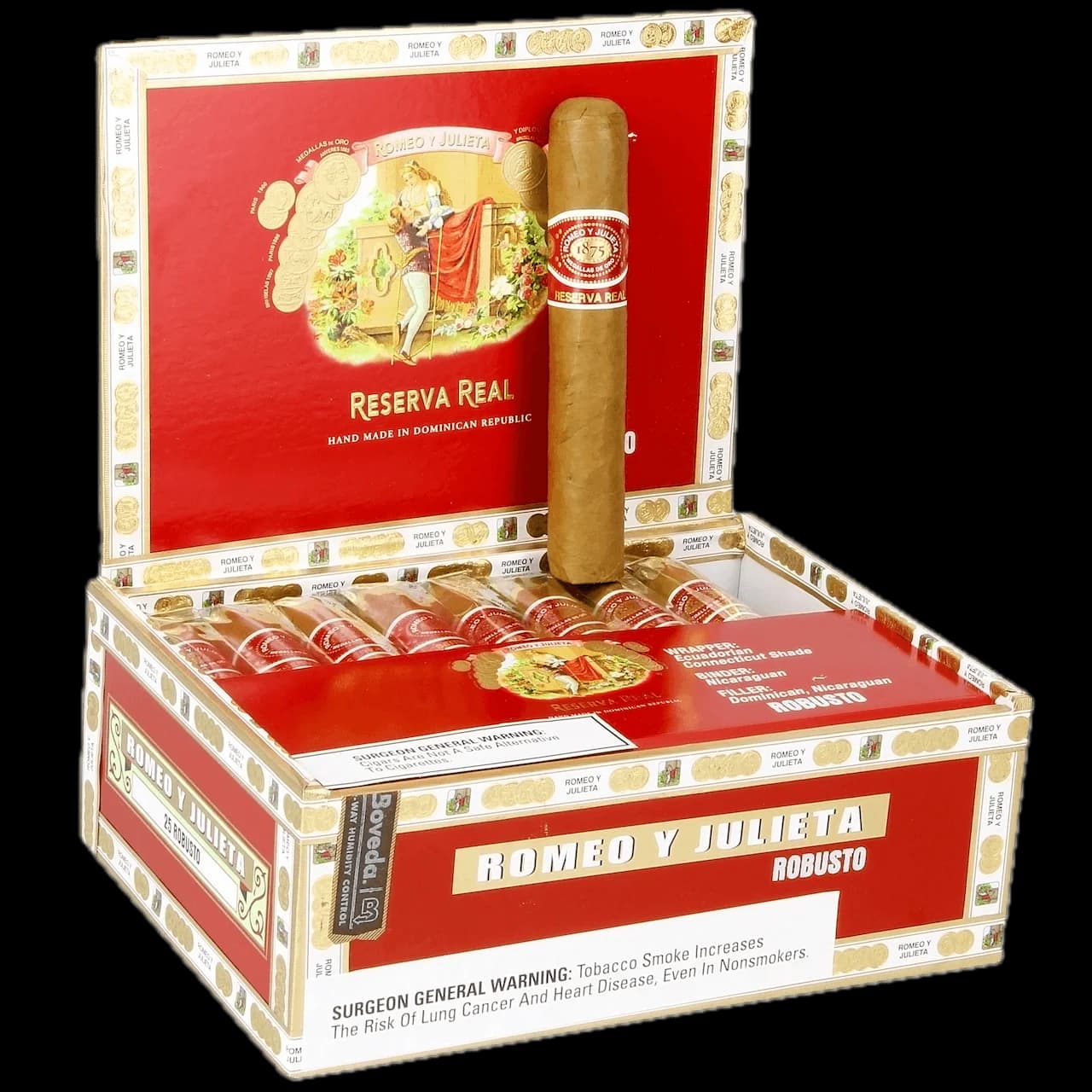
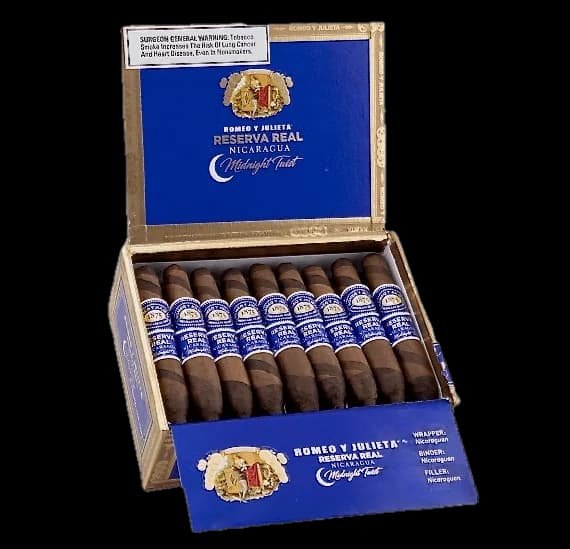
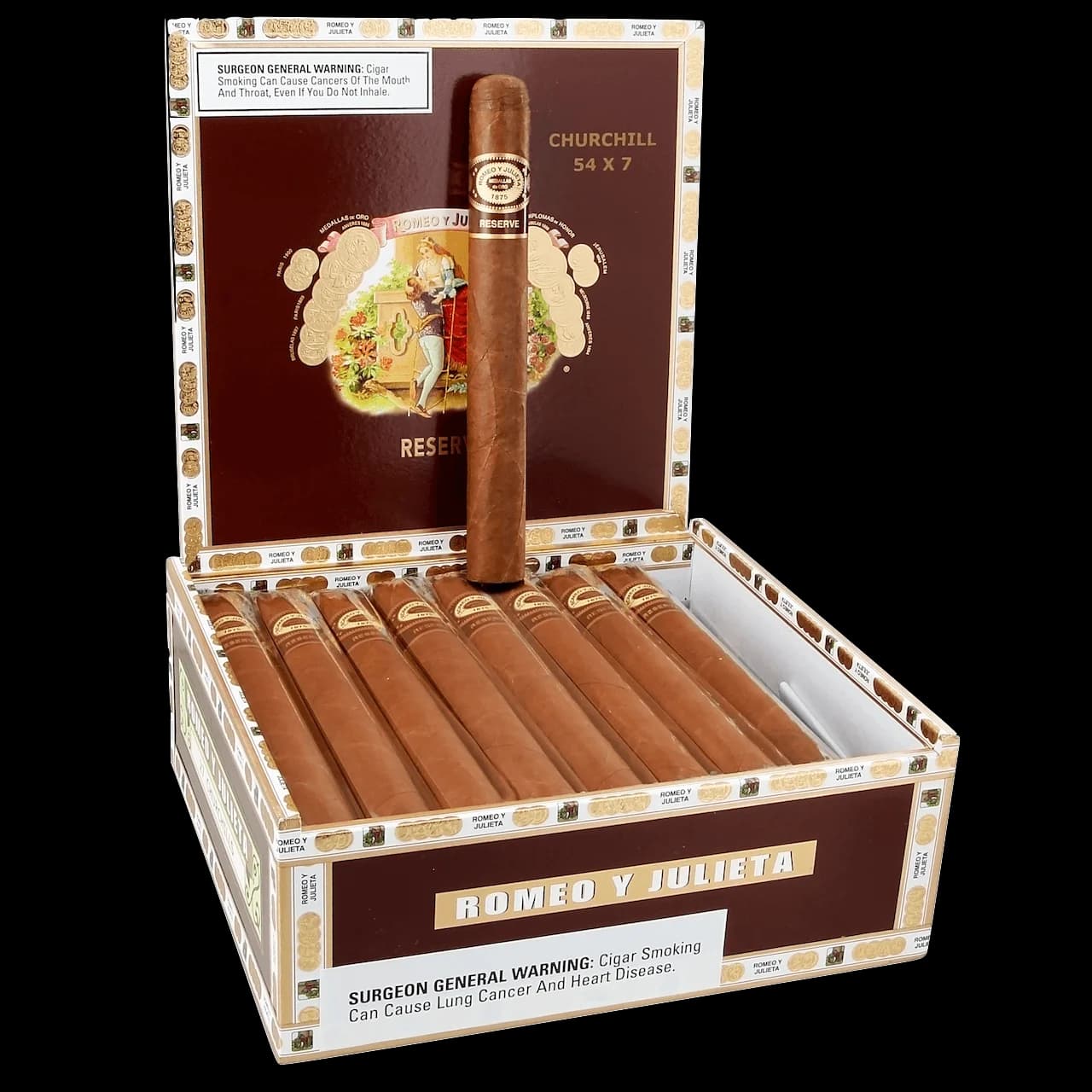
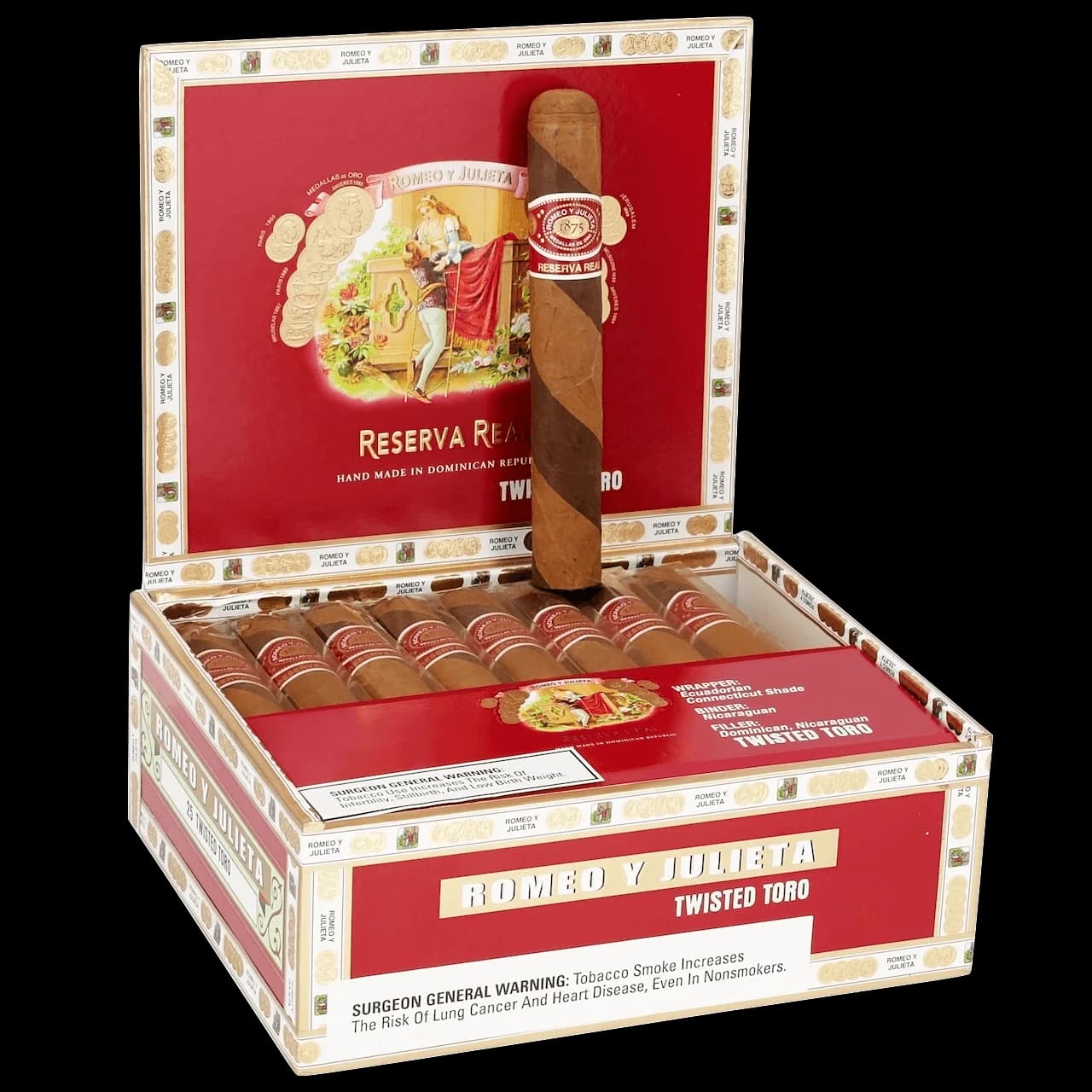
- Romeo y Julieta offers approachable, creamy blends that have introduced generations of smokers to premium tobacco.
- Arturo Fuente is a benchmark for construction quality across every format it makes.
- Oliva covers everything from silky Connecticut blends to richer Nicaraguan profiles as your palate develops.
- Alec Bradley and CAO sit comfortably in the mild-to-medium space.
- Vega Fina, Don Diego, Gispert, and Cusano are dependable, gentle Dominican options.
- ACID and Tabak Especial by Drew Estate lead the infused side, with the ACID 20 Connecticut Toro standing out as an approachable entry into the line.
- Al Capone, Villiger, and Panter handle the small-format and cigarillo side.
- Factory Smokes and Flor de Oliva cover entry-level cigars and value bundles.
Our full brand directory lists more than a hundred names if you want to compare beyond this collection.
Picking the Right Size
Size changes the experience more than most new smokers expect.
A Robusto at roughly 5 x 50 is the most recommended starting vitola. It runs 45 to 60 minutes and gives the blend time to develop without becoming a commitment.
A Toro at roughly 6 x 50 runs slightly longer and burns a little cooler thanks to the extra ring gauge.
A Corona or Petit Corona is thinner and shorter, which suits a quick session.
Churchills and Gordos are best left until later. More tobacco means a longer session and a heavier cumulative nicotine load, which is where most beginners get caught out.
How to Smoke a Cigar for Beginners
The basics of how to smoke a cigar for beginners come down to pace.
Do not inhale. Cigar smoke is tasted in the mouth, then released. Pulling it into your lungs is the most common beginner mistake.
Slow down. Roughly one puff every 30 to 60 seconds. Faster puffing overheats the tobacco and turns the flavor harsh.
Eat something first. Nicotine feels considerably stronger on an empty stomach. Keep water nearby.
Cut and light properly. Take a clean cut just above the shoulder of the cap and toast the foot evenly rather than charring it. A dedicated torch or soft-flame lighter makes a noticeable difference.
Stop when you want to. There is no obligation to reach the band. Many people set down their first few cigars halfway through, and that is completely normal.
Store them correctly. Cigars dry out fast in open air. A basic humidor or a sealed case with a humidity pack protects flavor and burn. Our storage and cases range covers the entry-level options.
Building a Starter Rotation
Rather than committing to one large box, most people learn faster by keeping three or four different profiles on hand at once.
A practical good starter cigars rotation looks like this: one mild Connecticut blend, one mild-to-medium Nicaraguan or Dominican, one infused or sweet option, and one small format for shorter sessions. Smoke through them over a few weeks, and the pattern in what you enjoy becomes obvious quickly.
Smaller counts and tins are the cheapest way to run this experiment. When you find the blend you keep returning to, that is the point to move up to a box.
Frequently Asked Questions
What are the best cigars for beginners?
Mild to medium blends with Connecticut or natural wrappers, made by established brands, in a Robusto or Toro size. Macanudo, Ashton, Romeo y Julieta, Arturo Fuente, and Oliva are the names that come up most often.
Are beginner cigars weaker in flavor?
No. In premium cigars, mild describes body and strength rather than flavor complexity. A well-blended mild cigar can be more layered than a heavy one.
Do you inhale a cigar?
No. The smoke stays in the mouth and is exhaled. Inhaling delivers nicotine far faster and is the usual cause of dizziness in new smokers.
Why do cigars sometimes make people feel light-headed?
Usually from smoking too quickly, choosing a large ring gauge too early, or smoking without eating first. Slowing the pace resolves most of it.
Are cheap cigars fine to start with?
Yes, as long as they come from a reputable source and have been stored properly. Storage matters more than price.
Do I need a humidor right away?
Not for a handful of cigars over a week or two. Beyond that, a small humidor or a sealed case with a humidity pack is worth having.
What size cigar should I start with?
A Robusto around 5 x 50. It is long enough to develop flavor and short enough to stay comfortable.
How long does a cigar last?
A Corona runs around 30 to 45 minutes, a Robusto 45 to 60, a Toro closer to an hour, and a Churchill 90 minutes or more.


-20-1768115155882-2ea53fbc733fd.webp&w=3840&q=75)


-20-1768115144874-a243ab231d1b08.webp&w=3840&q=75)