
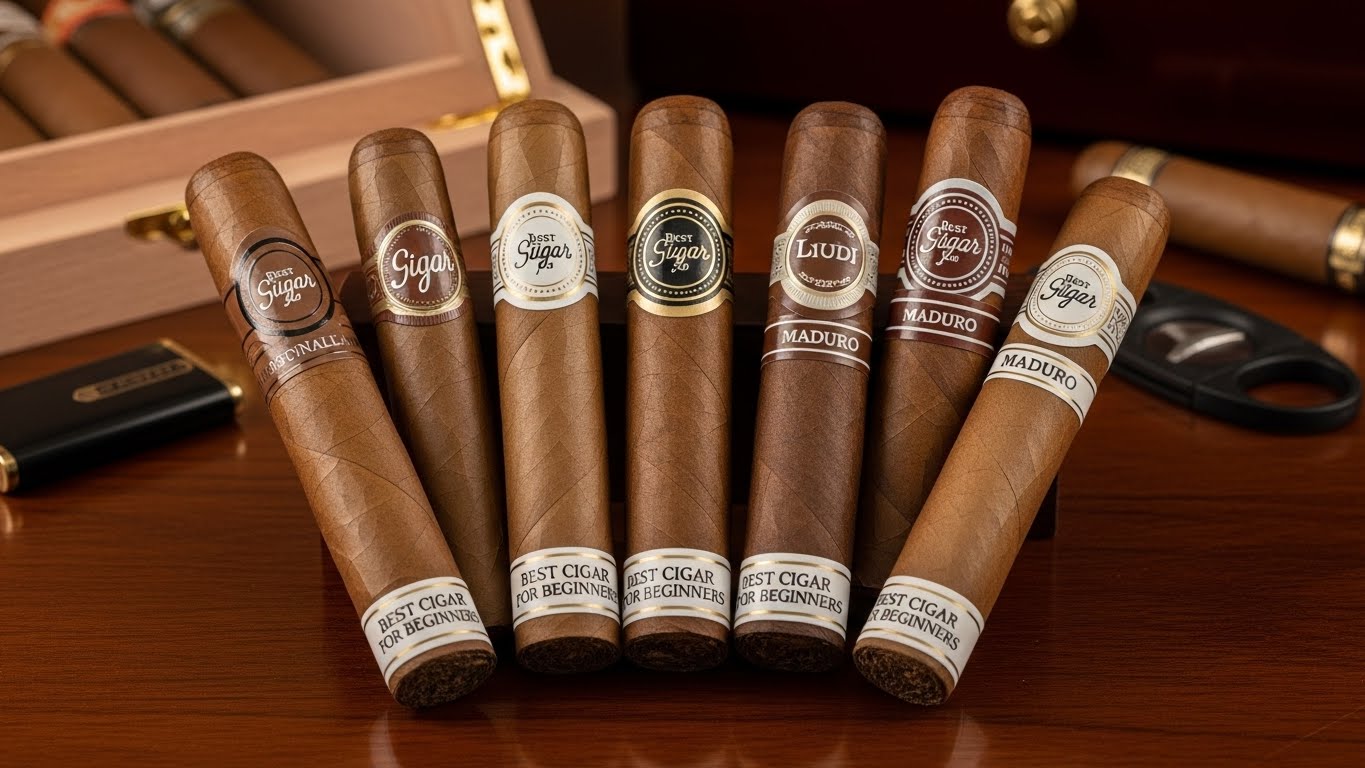
New to cigars? Discover the best cigars for beginners in the United States: mild, smooth picks, and starter samplers. Shop top cigars in the United States at Smokenza.
Stepping into the world of cigars is like entering a small, slow-moving culture: there's ritual, variety, and a surprising amount of subtlety. For many new smokers in the United States, the first cigar defines whether the hobby will feel approachable or off-putting.
This guide is written specifically for beginners and focuses on practical guidance: what to buy first, why certain wrappers and sizes are friendlier, how to smoke correctly, and where a U.S. buyer can source reliable starter cigars — including options available through our Beginners Cigars collection at Smokenza. Use this as your reference for safe, pleasant first smokes and for building a short, deliberate tasting plan.
What New Smokers Should Know
Before lighting up your first cigar, keep three points in mind:
- Cigars are tasted, not inhaled. Unlike cigarettes, the flavor is experienced in the mouth and then expelled. Inhaling can cause adverse reactions for new smokers.
- Start mild and short. Mild-bodied cigars and short vitolas (e.g., petit robusto, petit corona) reduce nicotine exposure and shorten the time commitment while you learn. For a closer look at how strength is measured, see our guide on how much nicotine is in a cigar.
- Construction matters. A well-rolled cigar offers an even burn and a pleasant draw. Poor construction will ruin a tasting, no matter how mild the blend.
As a U.S. buyer, you'll find many mild, Connecticut-shade wrapped cigars at national retailers and specialty ecommerce stores like Smokenza. Consider sampling rather than committing to a box; a few single sticks or a sampler pack will tell you a lot about your preferences.
Why Choosing the Right First Cigar Matters
Your first cigar is not just a single product; it's your introduction to the ritual of cutting, lighting, pacing, and tasting. The wrong choice (overly strong, large ring gauge, poorly constructed) can lead to dizziness, nausea, or an overall unpleasant memory that discourages future exploration.
Taste, Strength, and Experience
Cigars are typically described by body (mild, medium, full) and by flavor notes (cream, cedar, coffee, pepper, chocolate). For beginners, the ideal cigar balances subtle flavor notes with low-to-moderate nicotine delivery. This allows you to focus on taste and technique rather than coping with intense effects. A mild cigar will usually present cream, light nut, or cereal notes rather than heavy pepper, leather, or dark cocoa.
Why Milder Wrappers Help
Wrapper leaf contributes heavily to the perceived strength. Connecticut Shade wrappers, light in color and gentle in flavor, temper the overall blend, producing a smoother, creamier profile. Think of Connecticut Shade as a painter's primer: it lets the blend's nuances surface without overwhelming spice. For a first-timer, this makes tasting educational and comfortable.
How We Picked These Cigars (Methodology)
We evaluated candidate cigars for beginner suitability using four practical criteria:
- Body & Approachability — preference for mild-to-mild/medium blends.
- Construction Consistency — brands known for reliable rolling and draw.
- Availability in the United States — listed by reputable U.S. retailers or stocked by U.S.-based e-commerce shops such as Smokenza.
- Price & Accessibility — options under accessible price points and samplers for easy sampling.
This methodology privileges real-world practicality: you should be able to locate the cigar in the U.S., buy it affordably, and expect a predictable experience. That makes it easier to learn, compare, and then graduate to more complex blends.
Strength, Construction, and Availability in the United States
Strength is judged by wrapper and filler composition; construction refers to roll quality, binder integrity, and draw; availability means the cigar is commonly carried by domestic retailers or listed on major U.S. sites. If a brand is consistently sold across U.S. outlets, it reduces the friction for beginners who want to repurchase.
Price and Accessibility for First-Timers
Beginner-friendly cigars should be affordable enough to sample multiple types without guilt. Samplers and single-stick availability are key. Retailers such as Smokenza offer samplers and singles that let you test several profiles for a modest outlay.
Top 10 Best Cigars for Beginners: Shortlist & Quick Notes
Below are practical recommendations for new smokers in the United States. Each entry includes why it's suitable and what to expect.
Important: These selections are framed by approachability and accessibility — not medical advice. Always verify age and shipping restrictions before purchase. Product availability varies by retailer; some items appear on Smokenza and other U.S. vendors.
1. Macanudo Café — Classic Mild Choice Macanudo is a benchmark mild cigar. Expect creamy, biscuity flavors and a very gentle finish. Excellent construction and consistent draws make this a top choice for learning to taste cigars without being surprised by spice.
2. Montecristo White Series — Balanced & Creamy Montecristo White Series (Connecticut-style) offers smooth, lightly sweet notes with a silky mouthfeel that's forgiving. It's a reliable introduction to premium cigar flavor without aggressive strength.
3. Ashton Classic — Consistent Premium Mild Ashton Classic is noted for refined construction and a mellow, nutty profile. This premium mild is slightly more luxurious in presentation but remains beginner-friendly in taste.
4. H. Upmann Petit Corona — Gentle and Flavorful A shorter format with gentle flavors — mild wood, light leather, and a dash of sweet tobacco. A well-balanced smoke for a tidy single-session tasting.
5. Oliva Connecticut Reserve — Smooth Bridge Cigar Oliva's Connecticut offering sits at the milder end but carries slightly more complexity than ultra-mild brands. It's a great "bridge" stick once you've tried a couple of simpler cigars and want a touch more nuance.
6. ACID Blondie (and ACID Kuba Kuba / Maduro) — Aromatic Beginner Options ACID lines are infused and aromatic; they emphasize perfumed, dessert-like notes that many beginners find immediately appealing. Smokenza stocks ACID Blondie and other ACID variants, which are excellent for those who enjoy aromatic or flavored profiles — browse the full flavored cigar collection for more infused options. Note: infused cigars are stylistically different from classic non-infused cigars but are highly approachable as starter options. For a deeper dive into what each infusion means, see our guide on what ACID band colors decode.
7. Perdomo 10th Anniversary Champagne — Mild, Creamy, Reliable Known for rich, creamy sweetness and a consistent roll. It's a slightly more flavorful mild that remains easy to smoke.
8. Rocky Patel Vintage 1990 Juniors — Short & Accessible Junior or "mini" vitolas allow you to experience a brand's profile in a short session. Rocky Patel Vintage 1990 in a junior size is an excellent quick tester.
9. Padron Series — A Carefully Timed Step Up Padron cigars are legendary for quality and consistency. They're not always the first cigar for a novice, but once you've sampled milds, Padron gives a dependable path into richer, aged Nicaraguan tobaccos — much like the Dominican cigar brands worth exploring once you've built a base palate.
10. Petit Robusto and Mini Options — Quick Smokes Across brands, petit robusto or mini sizes let you taste a cigar's character without a large time commitment. They're easier to manage psychologically and physically for new smokers.
Choosing by Wrapper, Body, and Size
Choosing the right combination of wrapper, filler, and size will dramatically affect your first experiences.
Connecticut Shade: Why It's Beginner-Friendly
Connecticut Shade wrappers deliver mild flavor, creamy texture, and gentle aroma; they moderate the filler's intensity, making the cigar approachable. For U.S. buyers, search product descriptions for "Connecticut" when prioritizing mildness.
Maduro and Habano: When to Try Them
Maduro wrappers are darker and often sweeter or fuller-bodied; Habano wrappers increase spice and nicotine perception. Reserve these for later stages after you've assessed whether you prefer mellow sweetness or you're ready for stronger, peppery notes.
Size Matters: Petit Corona vs. Robusto vs. Churchill
- Petit Corona / Petit Robusto (shorter, smaller ring): 25–45 minutes, less nicotine accumulation. Best first choices.
- Robusto (5" × 50 approx.): 45–60 minutes, fuller flavor release.
- Churchill / Toro: Extended sessions (1–2 hours) that are not ideal for a first smoke.
Practical Buying Guide for U.S. Buyers
Where and how you buy matters as much as what you buy.
Where to Buy: Online Retailers vs. Local Shops
- Online retailers offer competitive pricing, broad inventory, and user reviews. They often provide samplers.
- Local tobacconists let you inspect construction, ask for recommendations, and often have staff-curated samplers.
For a beginner, visiting a shop once to learn the basics, then buying samplers online, is a pragmatic approach.
Using Smokenza to Shop Beginner Cigars
Smokenza is a U.S.-facing ecommerce retailer with a selection of beginner-friendly brands and samplers. If you prefer fragrance-forward aromatics (like ACID lines), Smokenza stocks those products and convenience-based samplers that facilitate experimentation without heavy financial commitment. Browse the Beginners Cigars collection to see the full curated lineup.
Samplers and Bundles: The Most Efficient Way to Sample
Buyers should favor labeled samplers (mild, beginner, Connecticut). Samplers reduce per-stick cost and increase exposure to different profiles so you can compare and learn quickly.
Why Smokenza Is a Practical Option for U.S. Buyers
Smokenza combines U.S. shipping, curated samplers, and single-stick purchases — useful for novice buyers who want immediate access to aromatic ACID products and Connecticut-wrapped classics. The site's product filters and best-seller lists can speed the selection process for beginners.
How to Smoke Your First Cigar — Step-by-Step
A calm, deliberate approach improves flavor and comfort. For the full walkthrough with photos, see our complete how to smoke a cigar guide.
Cutting: Punch vs. Guillotine vs. V-Cutter
- Guillotine (straight cut): Classic and versatile — removes a portion of the cap cleanly.
- Punch: Creates a small hole — concentrates the draw and suits smaller ring gauges.
- V-cutter: Produces a wedge-shaped cut — offers a different draw profile for those who like a focused smoke.
Choose a quality cutter to avoid tearing the cap and causing unraveling.
Lighting and Toasting the Foot
- Inspect the foot and rotate as you heat it evenly.
- Toast the foot (gently charring the outer edge) without puffing; this prepares an even burn.
- Light while drawing slowly and rotating the cigar to ensure uniform ignition. Use a butane lighter or cedar matches — avoid gasoline-based lighters.
Puff Rhythm, Tasting, and Not Inhaling
Pace yourself: 30–90 second intervals between puffs. Draw the smoke into your mouth, savor the flavors, and exhale; do not inhale into the lungs. Over-puffing overheats the cigar and introduces bitterness.
Common Beginner Mistakes & How to Avoid Them
Avoid these pitfalls for a more pleasant initiation.
Puffing too fast Consequence: overheating, harsh flavors, and potential dizziness. Remedy: slow down and space out your puffs.
Picking the wrong size Consequence: long sessions or heavy nicotine. Remedy: start with petit robusto/petit corona or mini sizes.
Ignoring storage/humidity Consequence: dry cigars burn too hot and taste harsh; overly humid cigars are difficult to light and draw. Remedy: buy only what you'll smoke soon or use a small humidor (70% RH recommended). If buying from an online merchant, confirm they ship fresh and store properly.
Pairings: Drinks and Foods That Complement Beginner Cigars
Pairings enhance tasting:
- Coffee or espresso — bright acidity and roast notes complement mild cigars.
- Cola or ginger ale — sweetness and effervescence can refresh the palate.
- Light whiskey or blended scotch — mellow spirits pair well with Connecticut-wrapped cigars.
- Dessert pairings (for aromatic cigars like ACID Blondie): vanilla custard or milk chocolate intensify perfumed notes.
Avoid spicy or extremely acidic foods immediately before smoking; they can alter your palate and obscure subtle cigar flavors.
How to Move Up Gradually: A 3-Step Roadmap
A patient, stepwise progression avoids overwhelm.
Step 1: Stick to Connecticut/mild aromatics. Spend your first 5–10 sessions with mild Connecticut wrappers and aromatics to learn how different brands express basic notes.
Step 2: Try medium-bodied blends. After 10–15 mild sessions, experiment with medium-bodied cigars that incorporate Habano or ligero leaves for more complexity and a bit more spice.
Step 3: Explore full-bodied and aged offerings. Once comfortable, try aged Nicaraguan or Honduran full-bodied cigars — these reveal depth and power for experienced palates. If you want to trace where a lot of this craftsmanship comes from, our piece on the Fuente family's four generations of Dominican cigar making is a good next read.
FAQs
What is the single easiest cigar for a complete beginner in the United States?
A Connecticut-shade wrapped petit robusto (for example, Macanudo Café or a Montecristo White in a small vitola) is often the safest single choice: mild, consistent, and widely available across U.S. retailers.
Are flavored or infused cigars suitable for a first-timer?
Yes. Infused lines (e.g., ACID Blondie or Kuba Kuba) can be very approachable because perfumed flavors mask heavy tobacco notes. They are stylistically distinct from non-infused premium cigars but are practical starter options.
How many cigars should a beginner sample before deciding preferences?
Sample at least 6–8 different cigars (across a few brands and sizes) to form a meaningful preference. Using samplers from online shops like Smokenza accelerates this process.
How should I store the cigars I buy online if I don't have a humidor yet?
Keep them in a sealed plastic bag with a small, two-way humidity pack (Boveda-style) until you can transfer to a humidor. Aim for ~65–72% relative humidity for short-term storage.
How long does a petit robusto smoke last, and why is that important for beginners?
A petit robusto generally lasts 30–45 minutes. That duration minimizes nicotine load and allows beginners to experience a complete flavor arc without a prolonged time commitment, making experimentation easier and more comfortable.
Conclusion
The best cigars for beginners are accessible, mild, and well-constructed. Focus your early sessions on Connecticut-shade wrappers, short vitolas, and samplers so you can safely taste a range of profiles without committing to strong nicotine or long smokes.
U.S. buyers can find a broad selection through local tobacconists or trusted ecommerce retailers like Smokenza, which stocks both aromatic ACID lines and more traditional mild offerings in its Beginners Cigars collection. Start slow, learn what you like, and then graduate; the hobby rewards curiosity and patience.
What did you think?
Share this article
Help others discover this content by sharing it with your network.